USE Coupon USA10 For 10% OFF
Days
Hours
Mins
Secs
USE Coupon USA10 For 10% OFF
Days
Hours
Mins
Secs


Cabinet colors are central to creating spaces that are inviting and timeless. Homeowners updating their kitchens seek a balance between stylish design and long-term resale value. The ideal cabinet color complements the overall design while enduring trends, ensuring appeal for future buyers. This guide explores why certain colors remain classic, discusses their benefits, and explains how they merge with different kitchen styles for maximum impact. You’ll gain actionable insights backed by historical trends and contemporary market research on kitchen cabinet styles, including antique white and white kitchen cabinets integrated with modern design ideas.
Timeless cabinet colors evoke quality, elegance, and continuity. Often neutral and understated, these hues serve as a flexible backdrop that works with both vintage and contemporary designs. Classic white, soft grays, and warm wood tones blend well with varied textures, materials, and lighting conditions while easily integrating with accessories and appliances. This neutrality allows kitchens to receive decorative updates easily without losing their core appeal.
Certain colors earn the “classic” label by appealing across generations and resonating emotionally with a wide audience. Antique white and creamy white in particular brighten spaces and evoke cleanliness and order. Neutral palettes enhance perceived space and offer versatility with various countertops, backsplashes, and flooring materials. They also recall traditional craftsmanship and timeless design, improving both personal satisfaction and resale value.
Kitchens featuring timeless colors typically attract higher resale values. Neutral tones create a serene canvas that allows modern elements to be added without a complete overhaul. Homebuyers favor kitchens in which they can easily visualize their own furnishings, and a well-chosen neutral scheme encourages this vision, enhancing both aesthetic appeal and financial return.
Cabinet color trends have shifted from bold statement hues to understated, neutral palettes. Vibrant colors once signified status and modernity, but economic and lifestyle changes drove a return to simplicity. Antique white and soft gray emerged as symbols of timeless elegance, remaining popular for their neutral quality amid changing trends. Today, these hues are celebrated for their historical legacy and ability to increase a kitchen’s longevity and appeal.

After reviewing historical trends, market data, and design principles, I present the top 10 timeless cabinet color choices, along with their unique benefits and practical applications.

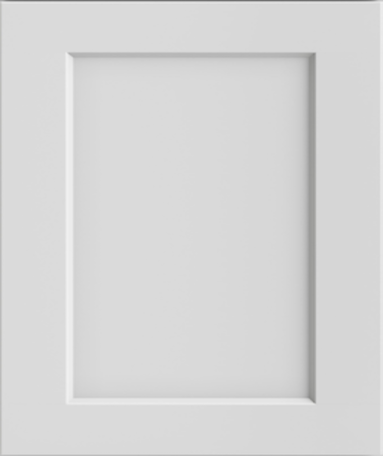
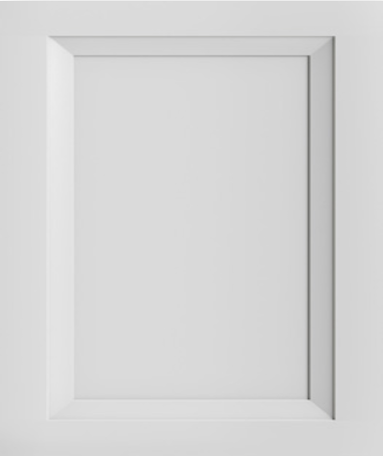
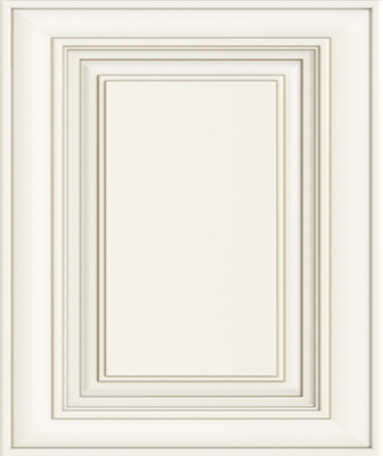
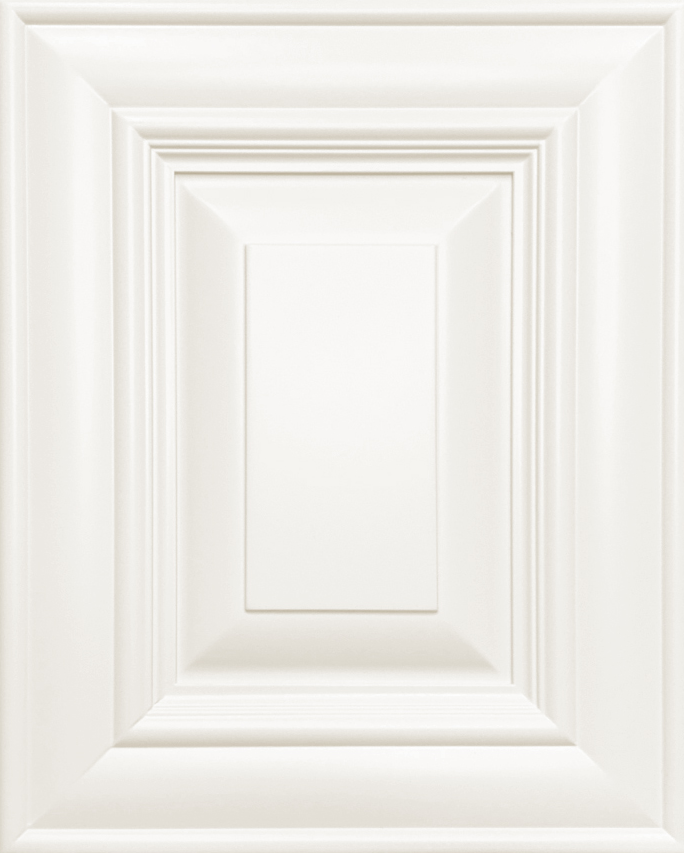
Classic White symbolizes purity, simplicity, and sophistication. It brightens spaces and creates a clean, contemporary look while offering endless mixing and matching possibilities. Its reflective properties enhance both natural and artificial light. Classic white kitchen cabinets—including variations like antique white—easily transition between modern minimalism and traditional styles, making them a dependable choice for resale value.

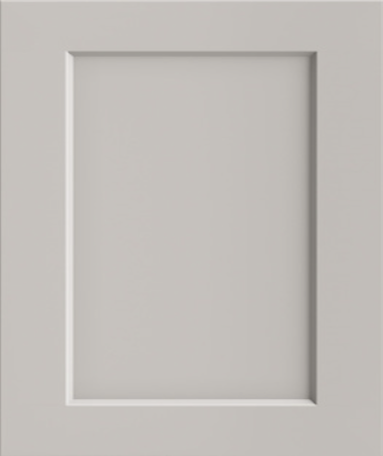
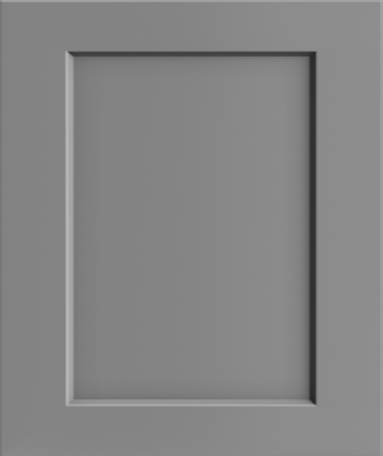
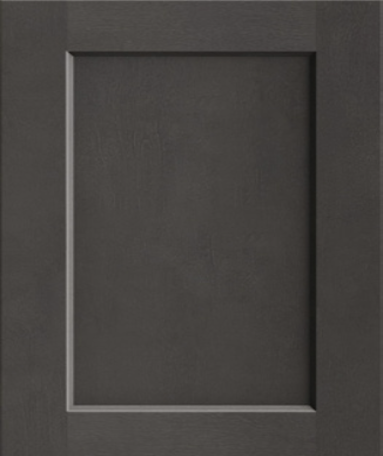
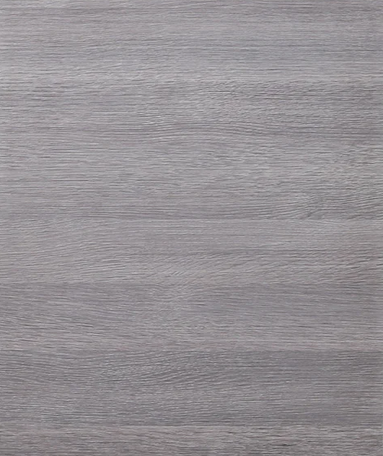
Soft Gray adds balance, depth, and a subtle luxury to kitchens. It works well in contemporary settings as a refined alternative to white and soothes when paired with accent colors and natural materials like wood and stone. Its calm and stable nature makes it ideal for open-concept living while remaining resilient to changing design trends.

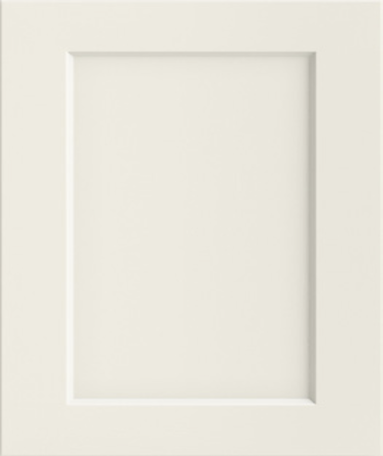
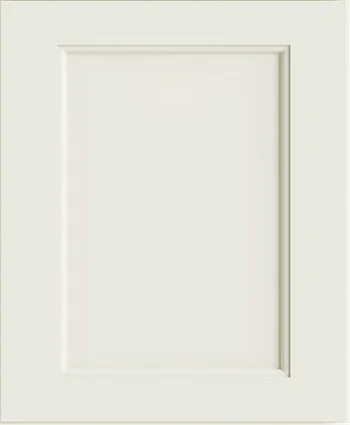
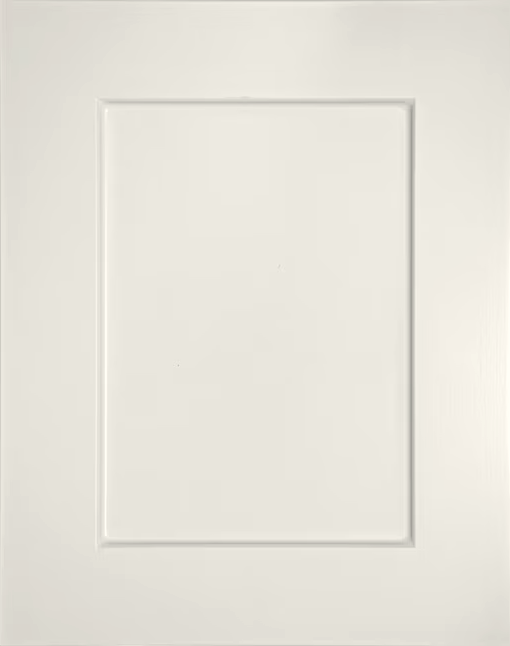
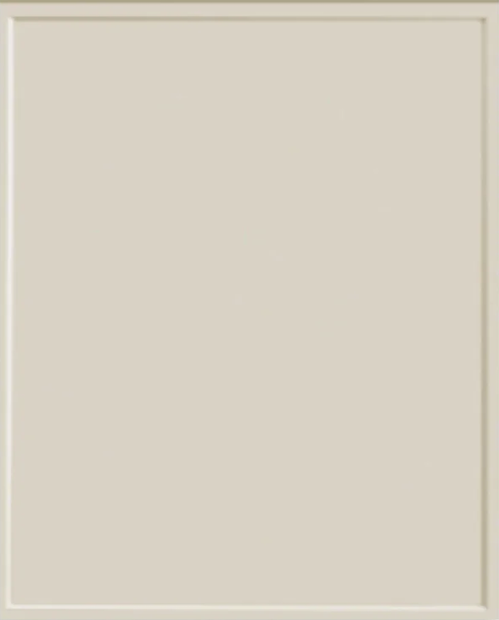
Creamy White offers a warmer alternative to pure white. With subtle undertones that evoke comfort and tradition, this shade softens the starkness of brighter whites. It is especially effective with beveled or shaker cabinets, enhancing both the inviting atmosphere and the kitchen’s resale potential.

Light Blue is an unexpected yet refreshing choice that introduces calm into the kitchen. Its pastel or muted tones create an airy ambiance, perfect for spaces that serve as social hubs. Light blue pairs well with coastal, Scandinavian, or vintage styles and can expand the perception of space while complementing stronger accents.

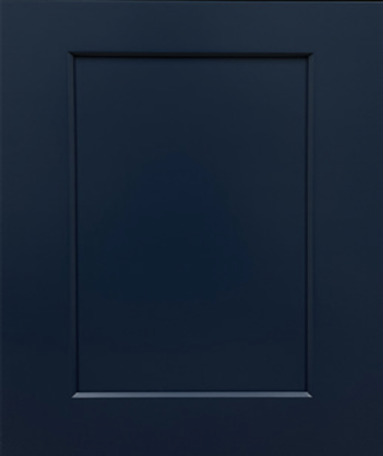
Navy Blue adds drama and sophistication. Its rich, deep hue brings texture and character, pairing beautifully with metallic accents, natural stone, or light wood tones. Often serving as a focal point, navy cabinets convey stability and luxury, making them popular in high-end and modern kitchens.

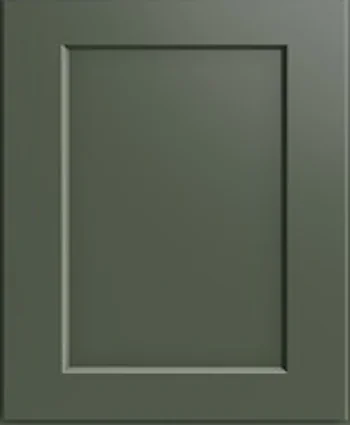
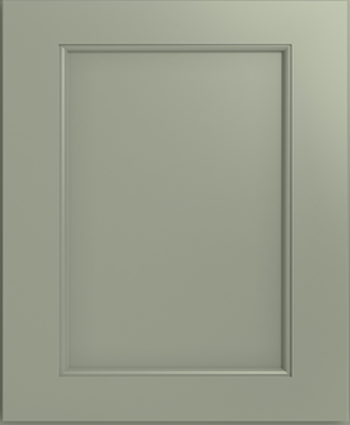
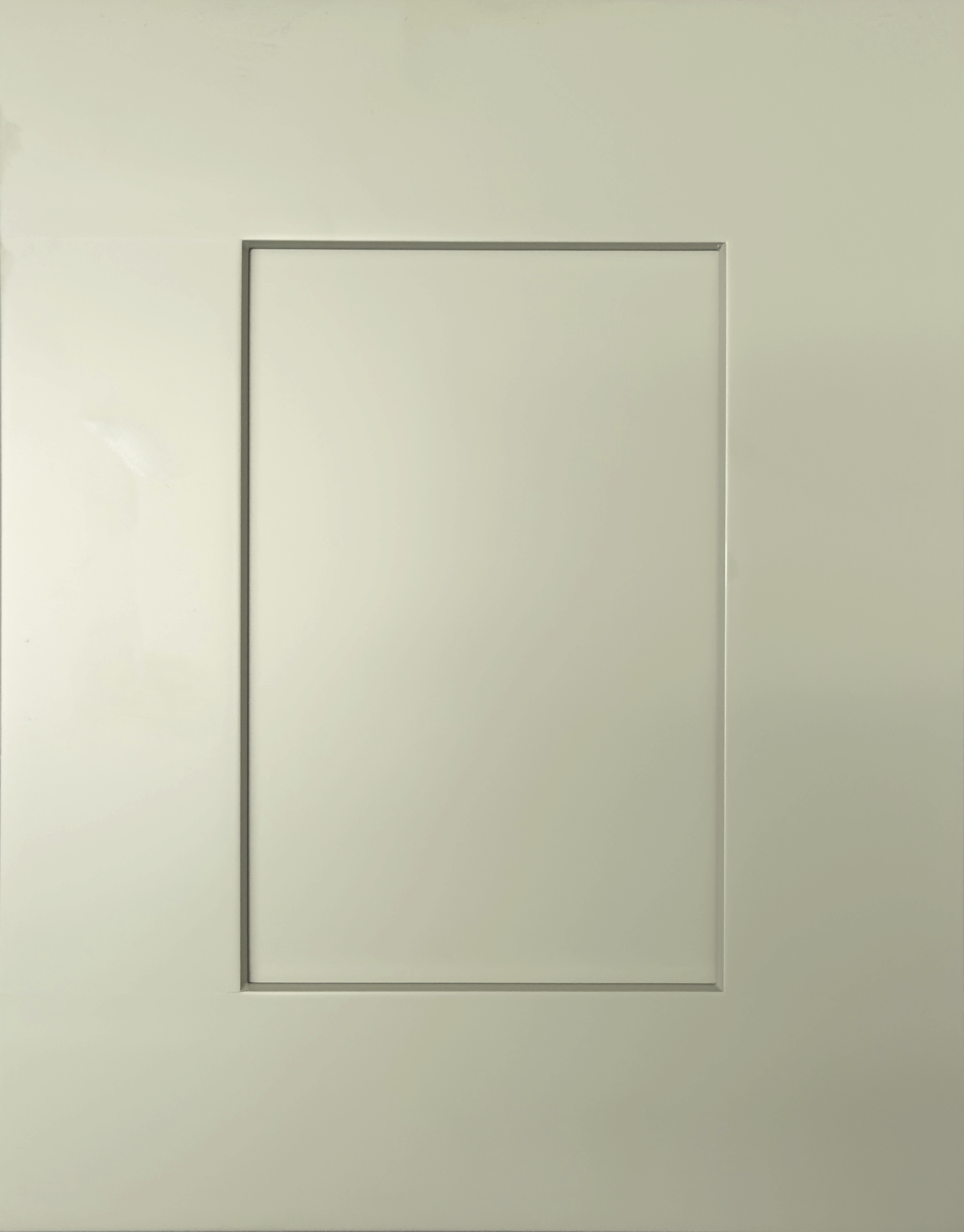
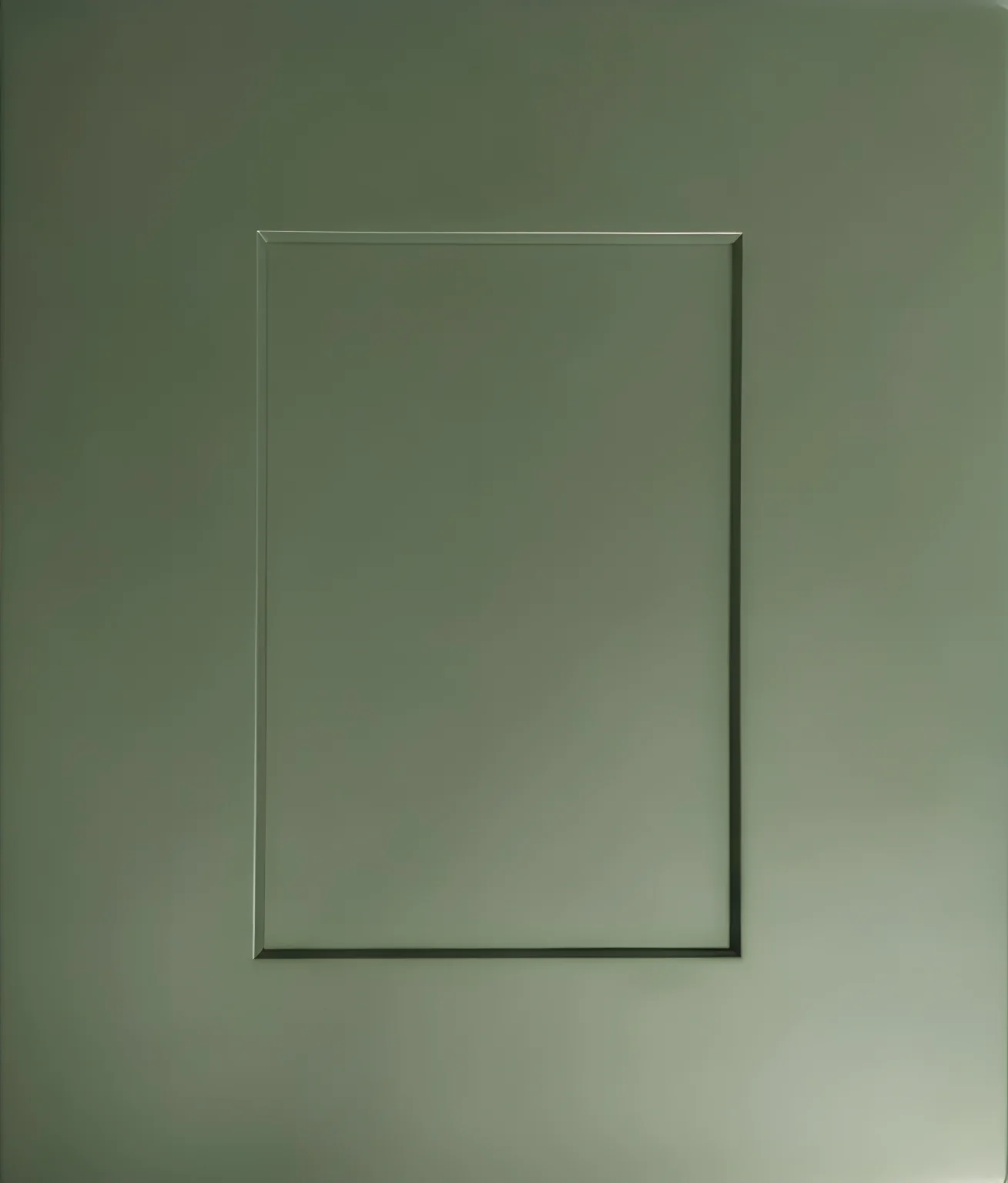
Sage Green is an earthy, balanced tone that introduces a natural feel. Its muted vibrancy and organic quality harmonize with wood and stone, reinforcing a connection to the outdoors. Sage green works across various kitchen styles—from minimalist to rustic farmhouse—while promoting a welcoming and sustainable atmosphere.

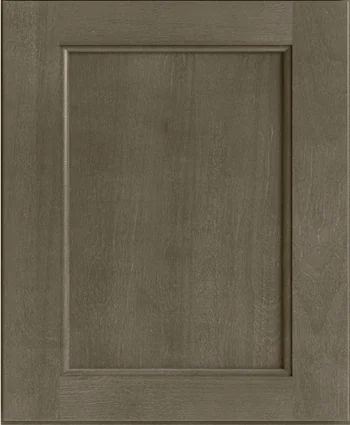
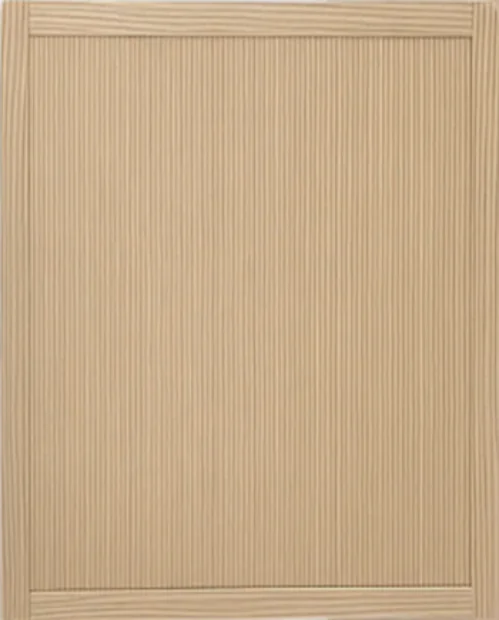
Natural wood tones add texture, warmth, and history to a kitchen. Whether featuring stained oak, cherry, or walnut, warm wood cabinets soften modern lines and reveal unique grain patterns over time. Their versatility complements both bright and muted elements, ensuring a balanced, long-lasting appeal that boosts market desirability.

Greige, a blend of gray and beige, embodies modern neutrality. Its adaptable quality allows it to complement sleek countertops or industrial accents. Greige’s understated elegance avoids the starkness of pure gray and harmonizes with diverse textures, making it a buyer-friendly option with timeless appeal.

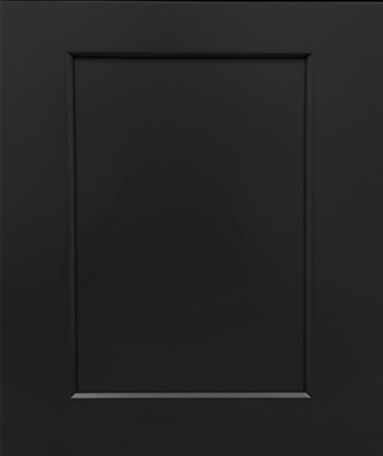
Black cabinets offer a bold, high-contrast option that exudes luxury and modernity. When carefully integrated with proper lighting and complementary colors, black adds depth and sophistication without overwhelming a space. Often used as an accent, black cabinetry creates dramatic focal points and appeals to those seeking an edgy, contemporary look.

Taupe, a neutral with hints of brown and gray, strikes a balance between warmth and modernity. It forms a serene backdrop that pairs well with bold accents and decorative elements. Its nuanced character makes it suitable for both traditional and contemporary kitchens, ensuring versatility and strong resale appeal.
Choosing the right cabinet color involves balancing personal preference with practical considerations such as lighting, style, and resale potential. Assess the amount of natural light available, as this affects how a color appears. Consider whether cool tones like light blue or soft gray will vibrate in sunlit spaces or seem too cold in dim ones. Matching the color to the overall kitchen style—be it modern, farmhouse, or transitional—is essential. Testing swatches in different areas and lighting conditions can prevent costly surprises later.
Key factors include the kitchen’s architectural style, overall theme, and available budget. Modern kitchens might favor stark white or deep navy, whereas traditional designs may lean toward creamy white or warm wood tones. The potential resale value is also important; neutral colors generally have broader appeal. Finally, coordinating with flooring, countertops, and wall colors will ensure a cohesive design.
Lighting dramatically influences how a color is perceived. The same shade can differ under warm incandescent lights versus cool LED or natural sunlight. Kitchens with ample natural light can handle a broader palette, while dimmer kitchens should opt for lighter, more reflective hues to brighten the space.
A hands-on approach is best: purchase tester pots and apply samples on poster boards across different kitchen areas. Observe how the colors shift under various lighting throughout the day, and compare them against existing materials like countertops and backsplashes before making a full commitment.
While resale value and trends matter, your personal style is paramount. The chosen color should evoke the feelings you want in your kitchen—whether energetic, calming, or inspiring creativity. Balancing a market-friendly color like Classic White or Greige with personal touches can yield a kitchen that is both uniquely yours and broadly appealing.

Neutral and timeless colors generally achieve the highest resale values. Buyers are drawn to kitchens that feel light, airy, and adaptable. Shades like Classic White, Soft Gray, and Creamy White create a clean, inviting atmosphere that appeals to a wide range of tastes and minimizes the need for immediate updates.
Neutral colors offer buyers a blank canvas on which to envision their own style. They evoke cleanliness, order, and spaciousness, making a home more attractive in competitive markets where every design detail matters.
Homes with classic finishes require fewer updates, a key selling point for many buyers. Kitchens finished in enduring hues like Classic White or Greige often receive quicker and higher offers because they allow prospective buyers to imagine personalizing the space with minimal hassle.
While bold colors express personality, overly trendy shades or very vivid hues (such as deep reds or neon accents) can deter a broader market. It is safer to choose neutral shades that serve as a versatile backdrop for future personalization.
A successful kitchen design seamlessly blends color, texture, and style. Specific cabinet colors naturally complement particular kitchen styles. Whether your design theme is modern, farmhouse, or transitional, the right color pairing can unify the space and provide a flexible foundation for varied decor.
Modern kitchens often favor a minimalist approach. Colors like Classic White, Soft Gray, and Greige offer a sleek, polished look that works well with high-gloss finishes, metallic accents, and state-of-the-art appliances, serving as an ideal backdrop for bold decorative elements.
Farmhouse and traditional kitchens benefit from warmth and character. Creamy White, Warm Wood Tones, and Sage Green enhance the cozy, lived-in appeal of rustic settings while highlighting the natural charm of wood and traditional craftsmanship.
For kitchens blending various design elements, versatile shades like Taupe or Soft Gray serve as an excellent base. These neutrals work well with vintage fixtures, modern lighting, or bold backsplashes, creating a balanced look that harmonizes old and new aesthetics.

Countertops tie the kitchen design together by complementing the chosen cabinet color. The material and color of the countertop should enhance the overall warmth, texture, and style of the room, ensuring both functionality and aesthetic appeal.
White and gray cabinets pair well with quartz, marble, or granite countertops. A white or gray quartz surface, for instance, can create a seamless, monochromatic look that emphasizes modern elegance without overpowering the understated charm of neutral cabinetry.
Warm wood tones require balance. Pairing them with stone or composite countertops that feature subtle, earthy hues helps echo the natural grain of the wood. Materials like soapstone or honed granite enhance the organic beauty of wood cabinets while providing a striking contrast.
For bold cabinetry such as Navy Blue or Black, lighter or reflective countertops work best. White or light-colored quartz and marble can offset the depth of dark cabinets, ensuring the overall design remains balanced and dynamic.
While timeless colors remain the foundation, current trends increasingly mix neutral bases with subtle, vibrant, nature-inspired accents. This blending approach results in kitchens that are both comforting and dynamic, fulfilling modern functional needs without sacrificing classic elegance.
Classic hues such as Classic White, Soft Gray, and Warm Wood Tones continue to underpin modern design trends. They offer a neutral canvas that allows for the incorporation of trendy accents like matte black fixtures or colorful backsplashes without compromising a cohesive look.
Emerging palettes include muted earth tones, soft taupe, and gentle sage green. These modern shades maintain the necessary neutrality while adding a fresh perspective that still honors traditional design values.
A layered design approach works best—start with a timeless color base, then integrate trendy accessories, backsplashes, or lighting. This strategy allows the kitchen to evolve over time while preserving its classic foundation.

Even timeless colors benefit from regular maintenance to keep them looking fresh. Routine cleaning, updated hardware, and minor touch-ups can preserve a cabinet’s finish and color longevity for years to come.
Semi-gloss and satin finishes are particularly effective. Semi-gloss is easy to clean and reflects light well, while satin provides a subtle sheen without appearing overly shiny. Both help maintain the depth and resistance of cabinet colors against moisture and stains.
Regular dusting combined with periodic deep cleans using mild, non-abrasive solutions helps protect painted cabinets. Wood cabinets benefit from specialized cleaners and conditioners that preserve their natural beauty and finish. Applying a protective sealant every few years can extend their life and appearance.
Repainting or refinishing should be considered when the cabinet color fades significantly or the finish starts chipping. While minor touch-ups may suffice for small areas, a full update can rejuvenate the kitchen’s appeal and improve resale value.
Q: How do I decide which timeless cabinet color suits my kitchen best? A: Consider the kitchen’s lighting, overall style, and how the color will work with your countertops and backsplashes. Testing small samples in different lighting conditions can help you choose a color that enhances both functionality and aesthetics.
Q: Are traditional colors like Classic White and Soft Gray more popular than bolder shades? A: Yes, they are popular because they blend well with various kitchen styles, offer lasting appeal, and enhance resale value with their broad, neutral charm.
Q: Can I mix different cabinet colors in one kitchen? A: While a single cohesive color is best for resale, mixing subtle variations—such as warm wood tones with soft neutrals—can add interest without compromising a timeless look, as long as the overall palette remains harmonious.
Q: How often should I update my kitchen cabinet color or finish? A: Routine maintenance is recommended every few years. A full update or refinishing can be done when the finish shows signs of wear or if you want to refresh an outdated style to boost market appeal.
Q: Do timeless cabinet colors really impact the resale value of my home? A: Yes, they enhance your home’s marketability by creating an inviting, neutral backdrop that appeals to a wide range of buyers seeking a move-in-ready space.
Q: What cleaning products should be used on painted versus natural wood cabinets? A: Use mild, non-abrasive cleaners for painted cabinets, and specially formulated wood cleaners for natural wood to maintain their protective finish and beauty.
Q: Are there any emerging trends in kitchen cabinet colors that I should consider? A: Emerging trends include muted earth tones, soft taupe, and gentle sage green. These modern shades maintain timeless qualities while offering a fresh update to traditional designs.
Timeless kitchen cabinet colors provide a solid foundation for a design that lasts. By choosing hues like Classic White, Soft Gray, and Warm Wood Tones, you create an inviting space while boosting your home’s resale value. With proper maintenance and thoughtful pairing with complementary materials, these colors continue to deliver both aesthetic and functional benefits for years. Embrace the classic charm and modern versatility of these timeless choices to transform your kitchen into a space that is delightful today and appealing to future homebuyers.