Loading your cart
Extended Flash Sales Ends
0Days
00Hrs
00Mins
00Secs

Your cart
Recent searches
Popular searches
Your cart
Recent searches
Popular searches

Yes, and it’s not a small difference. Plywood is built from layers of wood veneer glued in a cross-grain pattern, which makes it stronger, harder to warp, and much better at handling moisture than particleboard. Particleboard is made from compressed wood chips and glue, and once it gets wet, it doesn’t dry out and bounce back. It swells, crumbles, and stays that way. If you want cabinets that hold up for 20+ years under real kitchen conditions, plywood is the safer bet.

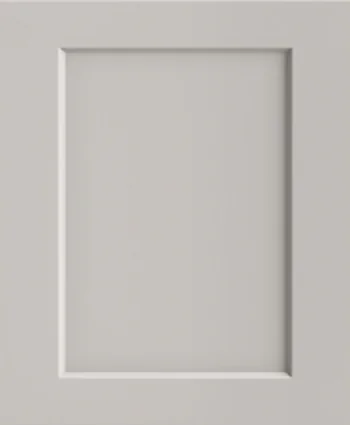
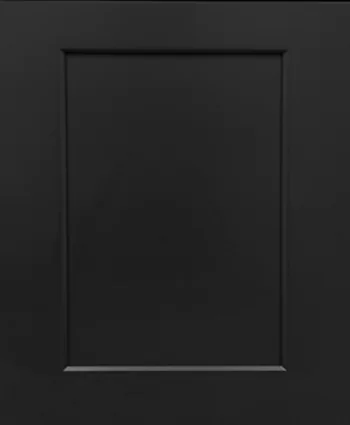
We’ve torn out enough old kitchens to know exactly where particleboard fails first. Our designers see it in nearly every remodel: soft, swollen bottoms under the sink, stripped hinge screws on heavy doors, and sagging shelves under a stack of dinner plates. USA Cabinets builds with plywood construction for a reason, and we can show you the difference in person with a free door sample before you decide anything.
Plywood is made of thin wood veneer sheets stacked and glued with the grain running in alternating directions. That cross-lamination is what gives plywood its strength. It spreads stress across the whole panel instead of letting it concentrate in one weak spot.
Particleboard is small wood particles and sawdust mixed with resin and pressed flat under heat. It’s uniform and cheap to produce, but it has no grain structure holding it together. It’s basically compressed sawdust with glue. That’s fine for a picture frame backing. It’s not fine for the cabinet under your sink.
Every kitchen has moisture. Steam from the dishwasher, condensation off a cold glass, a slow drip you don’t notice for weeks, splashback around the faucet. It’s not a matter of if moisture touches your cabinets, it’s when.
Particleboard soaks up water through its unsealed edges, seams, and screw holes. Once moisture gets in, the wood particles swell and the panel expands. That expansion doesn’t reverse when it dries out. The board stays puffy, weak, and often starts crumbling at the edges. A slow leak under a sink can turn a particleboard cabinet bottom into mush before you even notice a problem.
Plywood handles the same exposure very differently. The solid wood veneers resist water absorption much better, and even when moisture does get in, plywood tends to dry out and hold its shape instead of falling apart. It’s not waterproof, but it’s far more forgiving when real life happens in your kitchen.
Not every cabinet takes the same abuse. Some spots are basically guaranteed to see moisture and stress over the years:
These are exactly the spots where particleboard cabinets fail first. If you’re only upgrading part of your kitchen to plywood, these are the boxes to prioritize.
Your hinges and drawer slides get used every single day, sometimes dozens of times. Every time a screw gets driven, backed out, and driven again, it’s testing the material holding it.
Plywood’s layered structure grips screws tightly and holds up to repeated tightening and adjustment. Particleboard doesn’t have that same fiber structure to bite into. Screws can strip out of particleboard faster, especially once any moisture has softened the material even slightly. Once a screw hole strips, the hinge starts to sag, the door stops closing right, and there’s no good fix. You end up drilling a new hole and hoping it holds better, or you replace the whole cabinet box.
This is the part most cabinet shoppers never think about until it happens to them. A door that won’t stay shut or a drawer that drops when you pull it out isn’t a hinge problem. It’s a material problem underneath the hinge.
For long-term kitchen value, yes. Cabinets aren’t something most people replace on a whim. You’re looking at 15-20 years of daily use, spills, steam, and the occasional plumbing surprise. Particleboard might save you money upfront, but a swollen sink base or a stripped hinge a few years in costs more to fix than the difference would have been at purchase.
Plywood construction is one of the biggest differences between cabinets that last a couple of remodels and cabinets that need to be replaced piece by piece. It’s also one of the easiest things to compare between quotes once you know what to ask.
We build with plywood construction because we’ve seen what particleboard turns into under a kitchen sink. Most homeowners remodel once. Our designers work on thousands of kitchens, and we know exactly which boxes need to be built tougher and which ones can flex a little on budget.
Because we sell wholesale and skip the retail markup, our customers get all-plywood cabinet construction without paying big-box prices for it. Our customers save about 25% on average, and we back every cabinet with a lifetime warranty so you’re not gambling on durability.
Before you commit to a full kitchen, look at the actual material and finish in your own space. Order your free cabinet-door sample and see what real plywood construction looks and feels like compared to what you might be considering elsewhere.
Can particleboard cabinets last a long time if I keep them dry?
In theory, yes, low moisture exposure helps particleboard last longer. In practice, kitchens are humid environments with steam, spills, and occasional leaks, so “staying dry” for 15-20 years isn’t realistic in most homes.
Do I need plywood in every cabinet, or just some?
If budget matters, prioritize plywood in the sink base, dishwasher surround, and any wide drawer stack. Those zones see the most moisture and daily stress.
Does a plywood box always mean a better cabinet overall?
It’s one of the most important factors, but also check hinge quality, drawer slides, and finish. Plywood is the foundation, not the whole story.
Order a cabinet door sample so you can check the color and finish before committing to a full kitchen.
Savings, availability, and shipping times can vary by cabinet line and order.