Prices good until
Days
Hours
Mins
Secs
Prices good until
Days
Hours
Mins
Secs


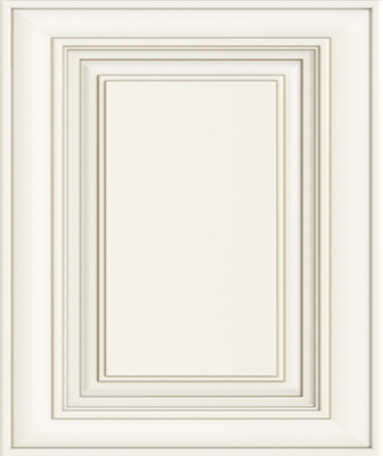
Antique white kitchen cabinets are a top choice for homeowners who want a kitchen that feels warm, elegant, and welcoming. These cabinets bring a timeless kitchen style that fits with many themes—whether it’s farmhouse, traditional, modern, or coastal. In this guide, we’ll look at 10 beautiful and practical ways these cabinets can upgrade your kitchen design.
The concept of classic elegance in design embodies a timeless appeal that combines refined aesthetics with functional artistry. When we speak of classic elegance, we refer to a style defined by precision, symmetry, and understated beauty. It is built on a deep appreciation for traditional craftsmanship, the graceful use of natural materials, and a balanced composition. In various disciplines—from interior design to wardrobe choices—classic elegance communicates a sophisticated sense of order and unity.
Designs that employ neutral color palettes, clean lines, and subtle ornamentation illustrate this aesthetic well. For example, white shaker cabinets with their refined detailing and dark walnut accents merge functionality with beauty. In high-end architecture and interior design, the thoughtful fusion of form and function becomes a metaphor for quality and longevity, reflecting values such as security and tradition, much like the presence of a well-curated antique piece.
This style is significant for those who appreciate products with history and meaning. Craftsmanship that reflects centuries-old techniques—from ancient Greece to modern ateliers—imbues each element, whether a single modern drawer or the interplay of natural light on a countertop, with a narrative of refined taste and lasting quality. Classic elegance, therefore, sets the stage for themes that honor both heritage and innovation.
Timeless charm is the enduring allure that imbues spaces and objects with warmth and familiarity. It arises from the blend of traditional elements with modern influences, delivering designs that maintain appeal despite changing trends. This charm is seen when design elements remain attractive and emotionally resonant over time.

A core aspect of timeless charm is its connection with heritage and continuity. White shaker cabinets accented with soft light finishes evoke familial traditions and cultural legacies characterized by warmth, stability, and refined simplicity. The careful attention to details—the grain of the wood, the reflection on a high-gloss finish, and subtle curves that mirror the organic flow of nature—creates a narrative that links past and present.
In practical interior design, timeless charm is achieved by using enduring materials like walnut, white oak, and marble. These elements work together to create spaces that offer both comfort and sophistication. The evolution of language, where modern expressions coexist with archaic terms, mirrors the interplay of antique influences and contemporary style, ensuring that nostalgia and current trends aside, charm remains a lasting foundation.
Bright serenity infuses spaces with a luminous calm that uplifts the spirit without overwhelming the senses. This theme focuses on the interplay of light and space through airy colors, open layouts, and subtle contrasts, much like the gentle glow of a morning sunrise that gradually brings hope and clarity.
The immediate effect of bright serenity is calming. Spaces dominated by off white or soft pastel tones and designed with ample natural light create an environment that feels both energetic and peaceful. Kitchens, whether featuring antique white cabinets or modern white shaker designs, often utilize sleek surfaces and reflective textures such as thermofoil or glossy finishes to achieve dynamic yet tranquil atmospheres.

The philosophy behind bright serenity resonates with the idea that well-lit environments positively impact mood and productivity. By strategically placing windows and using reflective surfaces along with light-enhancing paints, designers create spaces that harness the uplifting effects of natural light while maintaining balance and comfort.
Soft luminescence is the art of creating gentle, diffused lighting that conveys both warmth and sophistication. This design philosophy relies on the subtle interplay between light and shadow, as seen in the soft glow of candlelight that casts graceful, elongated shadows.
In environments where soft luminescence is key, the quality of light dramatically influences the appearance of materials such as marble, wood, or engineered surfaces. Even a kitchen with white shaker cabinet doors can transform into a serene retreat when bathed in diffused light. Advanced lighting solutions—using energy-efficient LED lights that mimic natural illumination—help in achieving this effect, balancing sustainability with design elegance.
This careful control of light not only enhances textures and depth but also reinforces traditional design principles that value both function and beauty. The result is a space that exudes calm while inviting intimate and meaningful engagement with its surroundings.
Pure harmony in design is the state in which every element coexists in balanced unity, creating an atmosphere that is simultaneously peaceful and invigorating. This concept is underpinned by the careful calibration of color, texture, and spatial arrangement, ensuring that each component contributes to a unified aesthetic.
White shaker or glossy white upper cabinets offer clean, uninterrupted surfaces that serve as canvases for subtle decorative accents. Integrated natural elements such as stone, wood, and metal further elevate this balance, making the space both functional and visually appealing.
Architecturally, a clutter-free environment that respects balanced proportions and symmetry not only promotes creativity but also fosters a sense of mental well-being. Pure harmony, therefore, is more than a decorative strategy—it is an essential component for achieving clarity, order, and calm in everyday living.
Radiant calm is the deliberate fusion of vibrant energy and serene tranquility in design. It captures the balance of high-impact visual elements with softer, carefully considered details, creating spaces that invigorate while soothing the senses.

In practical settings, radiant calm is achieved by combining bold accents, like a striking countertop or statement art, with neutral elements such as off white cabinetry or matte finishes. For instance, a modern kitchen that balances sleek white shaker cabinets with streamlined stainless steel appliances and subtle natural wood details embodies this duality. The resulting composition features clear visual hierarchies and balanced contrasts that enhance both function and emotional appeal.
Research has long shown that balanced lighting and moderated color contrasts have a positive effect on mood and cognitive function. Radiant calm leverages these principles by designing spaces that are both energizing and stress-reducing, ensuring that every element contributes to a restorative and invigorating environment.
Subtle grace is the pursuit of refinement through understatement. In this aesthetic, every element is intentionally chosen and curated to deliver an impact that is both gentle and powerful. The beauty of subtle grace lies in the details—from the delicate curves of a well-crafted molding to the soft texture of high-quality materials, and the interplay between light and shadow that reveals intricate design nuances.
In interior design, subtle grace can be seen in minimalist layouts, where white cabinet doors or off white cabinets are paired with understated hardware or a delicate patina on a countertop. Every material, whether exquisite walnut or cool stainless steel, is given its space to shine within a cohesive design, ensuring that all details contribute meaningfully to the overall composition.
This design ethos is akin to the measured cadence of classical music or the structured prose of elegant literature. By embracing subtle transitions and fine details, designers create environments that invite quiet contemplation and emphasize that refined simplicity can be as impactful as bold declarations.
Quiet sophistication is characterized by a muted yet resolute style that emerges from meticulous attention to detail. It favors the power of restraint, allowing each design element to communicate its value without resorting to overt displays. This principle is central to creating atmospheres that are both calm and refined.
Often expressed through neutral tones such as those found in white shaker cabinets and polished white oak finishes, quiet sophistication relies on balance and proportion. Every piece—from furniture to decorative accessories—is carefully selected to foster harmony. The resulting environment exudes confidence and calm, reflecting a lifestyle that values quality and understated elegance.
Moreover, quiet sophistication creates spaces conducive to conversation and creativity. The integration of natural materials like granite countertops and soft textiles ensures that functionality and style go hand in hand, making every design decision purposeful and refined.
Fresh tradition redefines heritage by seamlessly blending time-honored practices with modern innovations. It celebrates the continuity of design, bridging the gap between classic aesthetics and contemporary functionality to create spaces that feel both familiar and progressive.
This concept is vividly illustrated in interiors where historical motifs coexist with modern minimalism. An antique white kitchen combined with white shaker cabinets and accented by sleek, modern lights creates an environment that honours tradition while offering fresh perspectives. The deliberate mix of rich walnut with contemporary stainless steel or minimalist marble countertops demonstrates that historical aesthetics can enhance modern efficiency.

Fresh tradition also mirrors the evolution of language, where classical elements are continually reinterpreted to resonate with current audiences. This approach ensures that cultural legacies remain potent, fostering environments that stimulate both intellectual curiosity and emotional comfort.
Sleek antique is an intriguing style that marries the clean lines of modern design with the storied elegance of antiquity. It juxtaposes polished surfaces with time-honored artifacts so that history is celebrated rather than discarded. The outcome is an aesthetic that is both crisp and nostalgic, combining modern minimalism with rich historical textures.
Well-executed sleek antique designs feature elements such as glossy white cabinets paired with dark, intricate woodwork. White shaker cabinets, with their geometric precision, when combined with accent pieces crafted from aged walnut, evoke a dual sensation of modern efficiency and timeless appeal. The emphasis on quality craftsmanship ensures that each piece contributes to an uncluttered yet richly layered narrative of historical significance.
Balance is key in the sleek antique style. Modern influences like stainless steel and granite are harmoniously blended with traditional elements such as ornate moldings or antique hardware, resulting in interiors that are both inviting and contemplative—a space where the past meets the present in a refined dialogue.
Reflecting on these diverse design themes, it is clear that from classic elegance to sleek antique, each concept offers a unique pathway to reimagine and enrich living spaces. Every section demonstrates how traditional elements can blend with modern minimalism to create environments that are not only functional but also emotionally resonant. Whether it is the luminous calm of bright serenity or the deliberate balance of quiet sophistication, these design philosophies support creativity, productivity, and well-being. As we embark on our own design projects, embracing these articulated styles allows us to combine heritage with innovation, crafting spaces that authentically reflect our values and aspirations.
Q: What defines classic elegance in modern design? A: Classic elegance is defined by a blend of refined materials, neutral color palettes, and symmetrical layouts that evoke both tradition and modern functionality. It emphasizes timeless quality through understated details like white shaker cabinets and dark walnut accents, ensuring spaces remain sophisticated regardless of trends.
Q: How does bright serenity influence interior design? A: Bright serenity influences interior design by incorporating natural light, airy layouts, and soft pastel color schemes to create an atmosphere of calm and energy. The strategic use of lighting and reflective surfaces generates environments that support well-being and mental clarity.
Q: What are the key elements of pure harmony in design? A: Pure harmony relies on balanced color schemes, complementary textures, and thoughtful spatial arrangements to create a unified aesthetic. It involves a careful selection of materials—such as white cabinets paired with natural stone—that seamlessly combine visual appeal with functionality.
Q: In what ways do subtle grace and quiet sophistication differ? A: Subtle grace focuses on the beauty of minimal details and soft transitions, while quiet sophistication emphasizes a deliberate restraint that lets every design element speak for itself. Both approaches foster environments that are refined and conducive to focus and calm.
Q: How can fresh tradition be incorporated into contemporary interiors? A: Fresh tradition can be achieved by blending antique influences—such as vintage cabinetry finishes—with modern furnishings and technology. This integration honors heritage while ensuring that spaces remain functional and timely, creating environments that feel both historic and current.
Q: What makes sleek antique a compelling design style? A: Sleek antique is compelling because it marries the clean, streamlined attributes of modern design with the rich, narrative quality of antiquity. By pairing elements like glossy white cabinets with antique wood accents, this style creates an aesthetic that is contemporary yet deeply rooted in history.