Loading your cart
Extended Flash Sales Ends
0Days
00Hrs
00Mins
00Secs

Your cart
Recent searches
Popular searches
Your cart
Recent searches
Popular searches

“The details are not the details. They make the design.” – Charles Eames. This iconic designer’s words ring especially true when working with shaker-style cabinetry. While their clean lines and simplicity define these cabinets, the hardware you choose becomes the defining detail that elevates your entire kitchen.

Shaker cabinets remain a top choice because they adapt effortlessly to any kitchen style. Want a cozy farmhouse vibe? Try cup pulls. Prefer a modern edge? Sleek bar pulls might be your answer. The right hardware doesn’t just match your cabinets – it shapes your kitchen’s personality.
But here’s what many miss: hardware impacts how your space functions, not just how it looks. A well-chosen pull makes opening drawers effortless. The right knob feels natural in your hand during busy mornings. We’ll help you navigate options that balance beauty with practicality.
Eighteenth-century Shaker communities built furniture with a radical idea: beauty through purposeful design. This philosophy lives in today’s shaker cabinet hardware, where every knob or pull serves both form and function. Your choices here don’t just accessorize – they honor a legacy of craftsmanship while shaping your kitchen’s daily rhythm.

Shaker style thrives on “hands to work, hearts to God” simplicity. Flat panel doors with squared frames create a blank slate. This lets hardware become the star – whether you lean traditional with iron bin pulls or modern with matte black bars.
Original Shaker designs used local woods and hand-forged nails. Today’s versions keep that spirit through clean lines and durable materials. Your hardware should mirror this balance: understated but intentional, practical but pleasing to touch.
Think of cabinet pulls as your kitchen’s handshake – the first thing guests notice and you feel daily. Smooth operation matters when your hands are full. Rounded edges prevent snags on aprons. Weighted pulls signal quality without shouting.
Studies show tactile experiences affect mood. A cold stainless steel bar feels crisp for morning coffee. Warm brass knobs glow during evening wine pours. We’ll help match these subtle cues to your lifestyle.
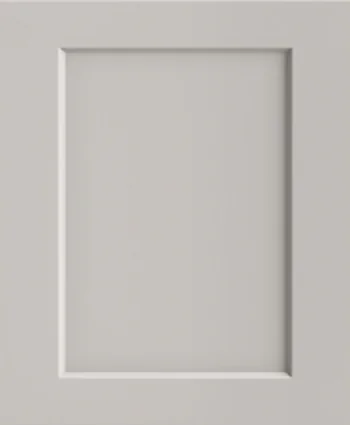
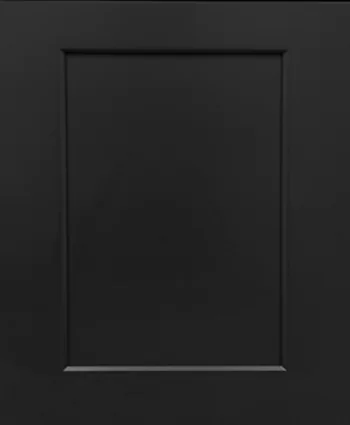
The secret to Shaker cabinets’ enduring popularity lies in their thoughtful construction. Each door follows a five-piece design: a recessed center panel framed by four flat pieces. This creates depth without visual clutter, letting the wood’s natural beauty shine through.

Geometric precision defines this style. Straight edges and squared corners create a crisp, orderly look that works in both farmhouse and modern spaces. You’ll notice how this simplicity lets hardware take center stage – no competing with carved details or curves.
What makes these cabinets so versatile? Their proportions. Frame widths match drawer sizes, creating balanced compositions. This harmony means your chosen pulls or knobs feel like natural extensions of the design, not afterthoughts.
Color choices amplify this adaptability. A white finish with brass hardware whispers tradition, while charcoal-gray paired with matte black bars shouts contemporary edge. The same cabinet style transforms completely based on your selections.
Durability isn’t an afterthought. Original Shaker builders used mortise-and-tenon joints that lasted generations. Today’s versions maintain this focus on quality craftsmanship, ensuring your kitchen stays functional and beautiful for decades.
Your kitchen’s functionality dances with its style through hardware choices. Three main players dominate the scene – pulls, knobs, and their minimalist cousin, edge options. Let’s break down how each shapes your daily kitchen experience.

Pulls shine where grip matters most. Their extended design gives full-hand control for heavy drawers packed with pots. Install them horizontally on wide cabinet doors – your fingers naturally find the space beneath.
Knobs offer single-hole simplicity. They’re perfect for upper doors where space feels tight. Choose rounded profiles that nestle comfortably in your palm during quick fridge raids. Just avoid sharp edges – they snag dish towels.
Edge pulls redefine minimalism. Mounted on the cabinet’s upper lip, they create a handle-free illusion while letting you hook fingers underneath. Ideal for contemporary spaces craving clean sightlines.
Mixing types? Try this formula: knobs on doors, pulls on drawers. Match finishes for cohesion. The secret lies in consistent proportions – keep all hardware within 10% size difference for visual harmony.
Consider these ergonomic factors:
Your cabinet hardware acts like jewelry for your kitchen – small elements that create big visual impact. Let’s explore three styles that balance tradition with modern needs while keeping functionality front and center.

These curved handles bring instant warmth to kitchen cabinets. The half-moon shape fits naturally under your fingers, making them ideal for heavy drawers filled with pots. Opt for unlacquered brass if you love patina development – each scratch tells your kitchen’s story.
Modern updates include satin nickel finishes that resist fingerprints. For a true vintage look, try bin-style pulls with visible screw heads. Install them on lower drawers where their generous size feels proportionate.
Straight bar handles create sleek lines that mirror shaker cabinet geometry. Choose lengths matching ⅓ to ½ of your drawer width. Vertical mounting on tall pantry doors adds unexpected visual rhythm.
Arc pulls soften angular spaces without losing contemporary edge. Their gentle curve works beautifully on glass-front uppers. Pair brushed gold versions with warm wood tones for a welcoming yet polished look.
Key considerations when selecting:
Precision matters when mounting hardware – a ¼-inch shift can throw off your entire kitchen’s rhythm. Proper placement ensures smooth operation while maintaining clean lines that honor Shaker design principles.
Upper storage solutions work best with hardware 1″ from the bottom edge. Place them on the side opposite hinges for natural wrist motion. This positioning lets you open doors without stretching awkwardly.
Lower units require different thinking. Mount pulls 2-3″ below the countertop to prevent snagging sleeves. For wide drawers, center placement distributes weight evenly. Narrow drawers shine with top-mounted options that keep sightlines crisp.
Click here to discover the best places to put your handles.
A cabinet jig eliminates guesswork. These $15 tools lock in measurements for consistent results across all doors and drawers. Mark pilot holes with painter’s tape to prevent wood splintering during drilling.
| Location | Position | Measurement | Tool |
|---|---|---|---|
| Upper Doors | Lower corner | 1″ from edge | Jig + Level |
| Lower Doors | Upper corner | 2-3″ from top | Template Guide |
| Drawers | Center or top | Match panel width | Self-centering Bit |
Avoid these common errors: overcrowding near appliance handles, uneven spacing between adjacent units, and ignoring countertop overhangs. Test placements with painter’s tape before drilling – walk through your morning routine to check ergonomics.
Blending knobs with pulls creates visual interest without sacrificing unity in your space. This approach lets you tailor hardware to different storage needs while maintaining a curated look. The trick lies in establishing clear connections between pieces through shared design elements.

Start by locking down your finish. Brushed nickel knobs pair beautifully with matching pulls, creating subtle contrast through shape variations. If mixing metals, limit yourself to two complementary tones – try satin brass with oil-rubbed bronze for warmth.
Consider these placement strategies:
Test combinations using painter’s tape before drilling. Stick temporary pieces to doors and walk through daily routines – reach for imaginary spices, open pretend oven mitt drawers. Adjust placements until movements feel natural.
Proportional harmony matters most. A 1.5-inch knob works with 5-inch pulls when their thickness matches. For glass-front cabinets, consider edge pulls that disappear when not in use. This maintains clean lines while adding modern functionality.
Remember: Your hardware ideas should tell a single story. Whether leaning farmhouse or contemporary, repeated shapes or textures keep the design grounded. Mix round knobs with curved pulls, or square profiles with angular bars. The connection makes the combination look intentional, not accidental.
Your hardware’s finish acts like the final brushstroke on a painting – it ties the whole room together. While color trends come and go, the right metal choice creates lasting harmony between your cabinets and decor.
Warm brass finishes bring instant richness to kitchen designs. Aged versions develop character over time, pairing beautifully with earthy greens or creamy whites. For contemporary spaces, try unlacquered brass – its evolving patina tells your home’s story.
Black hardware offers bold contrast on light shaker fronts. Matte versions hide fingerprints, while glossy types catch light like jewelry. We love how it bridges modern farmhouse and industrial design ideas effortlessly.
Polished nickel strikes a balance between cool and warm tones. Its subtle shine complements marble backsplashes without overwhelming. Pair it with brass accents for layered sophistication – just maintain a 70/30 ratio to keep the look cohesive.
Remember: Your finish choice impacts maintenance. Textured metals disguise smudges, while high-polish surfaces need frequent wiping. Test samples at different times of day – morning light reveals undertones you’ll miss under evening bulbs.