Free Delivery On Orders Over $3,500
Days
Hours
Mins
Secs
USE Coupon USA10 For 10% OFF
Days
Hours
Mins
Secs


When evaluating kitchen cabinet materials – medium-density fiberboard (MDF) cabinets often spark heated debates among homeowners and contractors alike. Are they a budget-friendly lifesaver or a long-term liability for your space? In this guide, we break down the exact specifications, pros, cons, and maintenance requirements of MDF cabinetry to help you make an informed, value-driven decision.
Before investing in new cabinetry, it’s crucial to understand the exact composition and technical specifications of the materials you’re bringing into your home.
Medium-density fiberboard is an engineered wood product created by breaking down hardwood or softwood residuals into microscopic wood fibers. These fine fibers are combined with a synthetic resin binder and wax, then subjected to extreme heat (typically exceeding 300°F) and immense hydraulic pressure ranging from 300 to 600 pounds per square inch (psi).

This intensive manufacturing process yields dense, flat panels that are entirely free of the knots and rings found in natural wood. Unlike particleboard, which uses larger wood chips and yields a looser core, MDF utilizes fine fibers, resulting in a significantly denser and stronger core material ideal for shaping cabinet doors and decorative panels.
The defining characteristic of MDF is its uniform density, which typically falls between 40 and 50 pounds per cubic foot (lbs/ft³). Because it lacks a natural wood grain, MDF features an exceptionally smooth surface that will not splinter or tear out during precision cutting or routing.
This structural uniformity means the material expands and contracts evenly when exposed to ambient temperature changes, reducing the risk of warping or cracking over time. However, this dense composition also makes MDF panels roughly 20% to 30% heavier than standard plywood, requiring robust hardware and precise installation techniques for long-term structural integrity in your kitchen or bathroom.
Like all cabinet materials, MDF comes with a specific set of structural trade-offs that directly impact its performance, aesthetics, and lifespan.
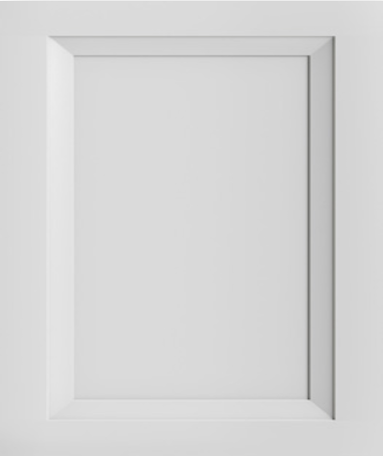
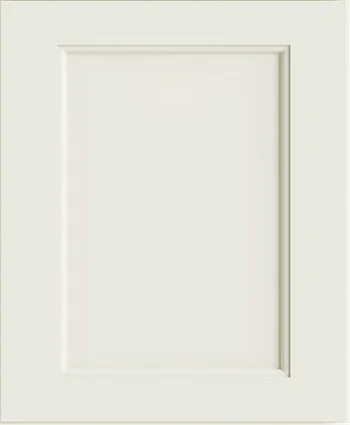
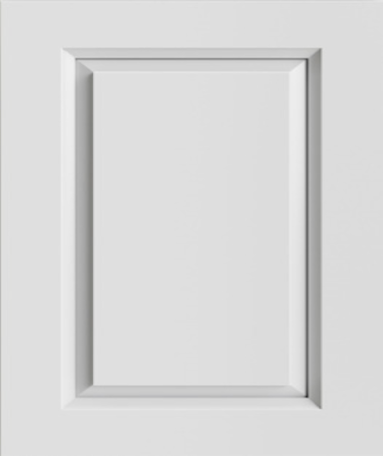
The primary appeal of MDF cabinets lies in their flawless, smooth finish, making them a perfect substrate for painted cabinet doors. Because there’s no grain to telegraph through the paint, you achieve a perfectly uniform coat and consistent color. Additionally, MDF is highly stable in fluctuating temperatures, resisting the hairline fractures that can sometimes plague painted solid wood joints.

MDF is often praised as an affordable option for budget-conscious homeowners. That said, why settle for engineered wood when you can get premium materials for less? At USA Cabinets, we offer solid wood alternatives at competitive wholesale pricing, allowing you to bypass the middleman and secure premium wood cabinets for up to 50% less than big box store prices.
The most significant technical flaw of MDF is its extreme vulnerability to water damage. If the protective sealing or paint coat is breached, the exposed fibers act like a sponge, absorbing moisture and swelling up to 30% of their original thickness. Once swollen, the damage is irreversible. The dense but fibrous nature of MDF also makes it highly susceptible to stripped screws, complicating hinge repairs and hardware adjustments.
You can completely bypass these structural risks by upgrading your materials. USA Cabinets‘ standard high-grade plywood construction entirely eliminates MDF’s moisture vulnerability issues, providing superior water resistance, lighter weight, and exceptional screw-holding capacity for a lifetime of reliable use.
To truly gauge the value of MDF, we need to evaluate how it stacks up against industry-standard materials and understand the strict care required to maintain it.
When comparing kitchen cabinet materials – medium-density fiberboard (MDF) cabinets are frequently weighed against plywood and solid wood options. Understanding these differences is vital for your kitchen design.
| Specification | MDF cabinets | Standard plywood | USA Cabinets standard |
|---|---|---|---|
| Core material | Wood fibers and synthetic resin | Cross-laminated wood veneers | High-grade plywood boxes & solid wood frames |
| Moisture resistance | Low (swells permanently up to 30%) | High (resists warping and swelling) | Exceptional (built for lifetime durability) |
| Screw holding power | Poor (highly prone to stripping) | Excellent (secure hardware mounting) | Superior (soft-close hinges stay secure) |
| Density & weight | Heavy (40-50 lbs/ft³) | Moderate (approx. 35 lbs/ft³) | Optimized for structural integrity |
| Average lifespan | 10-15 years | 20-30+ years | Lifetime warranty included |
While MDF is often used by budget retailers to cut manufacturing costs, we believe your home deserves better. USA Cabinets provides high-grade plywood boxes with solid wood frames as a standard feature, giving you contractor-grade durability without the premium price tag.
If you do opt for MDF, proper finishing and maintenance are non-negotiable. The smooth surface is perfect for high-gloss paints, matte lacquers, or thermofoil wraps. To protect the vulnerable core, every edge must receive a thorough sealing with an oil-based primer before the final coat is applied.
Maintaining MDF kitchen cabinets requires strict environmental control:
While kitchen cabinet materials – medium-density fiberboard (MDF) cabinets offer a smooth surface for painted finishes and resist temperature-based warping, their severe vulnerability to moisture and poor structural longevity make them a risky investment for high-traffic areas. Why compromise on the heart of your home? We highly suggest exploring USA Cabinets’ solid wood alternatives for premium quality without compromise. With our direct-to-consumer wholesale pricing, you can upgrade to high-grade plywood boxes, solid wood frames, and soft-close hardware, all delivered directly to your door in just 7 to 21 business days. Invest in durable cabinetry backed by a lifetime warranty and experience the lasting value of true craftsmanship. 🛠️
Here are the most common technical questions homeowners ask when evaluating MDF for their kitchen remodels.
MDF can be suitable for cabinet doors due to its smooth, paintable surface, but it’s generally not recommended for cabinet boxes near sinks or dishwashers due to its high risk of water damage.
The primary disadvantages include extreme vulnerability to moisture swelling, heavy weight that stresses hinges, and an inability to securely hold screws once they’ve been stripped.
No, plywood is structurally superior to MDF because its cross-laminated layers offer significantly better moisture resistance, higher tensile strength, and superior screw-holding capacity.
You must immediately wipe up any liquid spills, avoid using soaking wet cloths for cleaning, and maintain indoor humidity levels between 40% and 50% to prevent the core from absorbing moisture.