USE Coupon USA10 For 10% OFF
Days
Hours
Mins
Secs
USE Coupon USA10 For 10% OFF
Days
Hours
Mins
Secs


Choosing the right shaker cabinet materials is one of the first and most important decisions in a kitchen remodel. The material you pick affects look, cost, and how well cabinets stand up to daily life. Whether you want painted, stained, or natural wood, the substrate and construction matter for finish, durability, and repairability.
This short guide aims to help you pick a material that delivers the classic shaker look while matching your budget and use. We’ll compare solid woods, engineered options, real wood veneers, and common finishes.
That way you can match materials to use cases — a busy family kitchen, a rental property, or a high-end renovation.

Homeowners, remodelers, designers, and small contractors will find practical tips on sourcing, including kitchen cabinets made USA and where to find built in cabinets for sale. We cover trade-offs between custom, semi-custom, and ready-to-assemble lines, and how material choice impacts cost, maintenance, and paint or stain results.
Our recommendations reflect industry standards and practices used by professional cabinetmakers and finishers. Read on to learn how different types of kitchen cabinets perform and which shaker cabinet materials will meet your expectations for beauty and longevity.
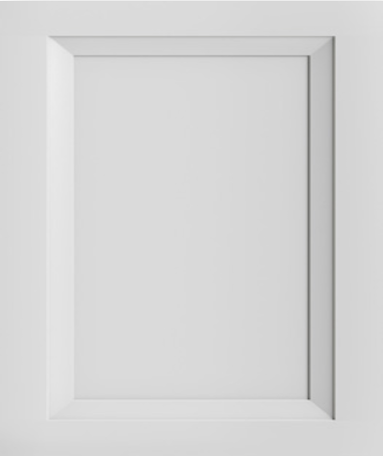
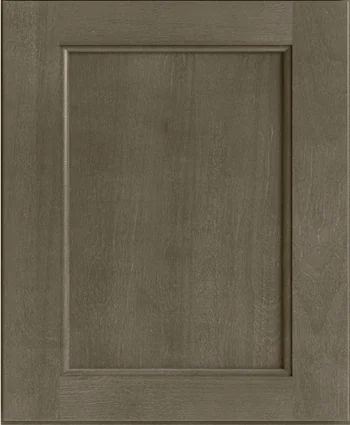
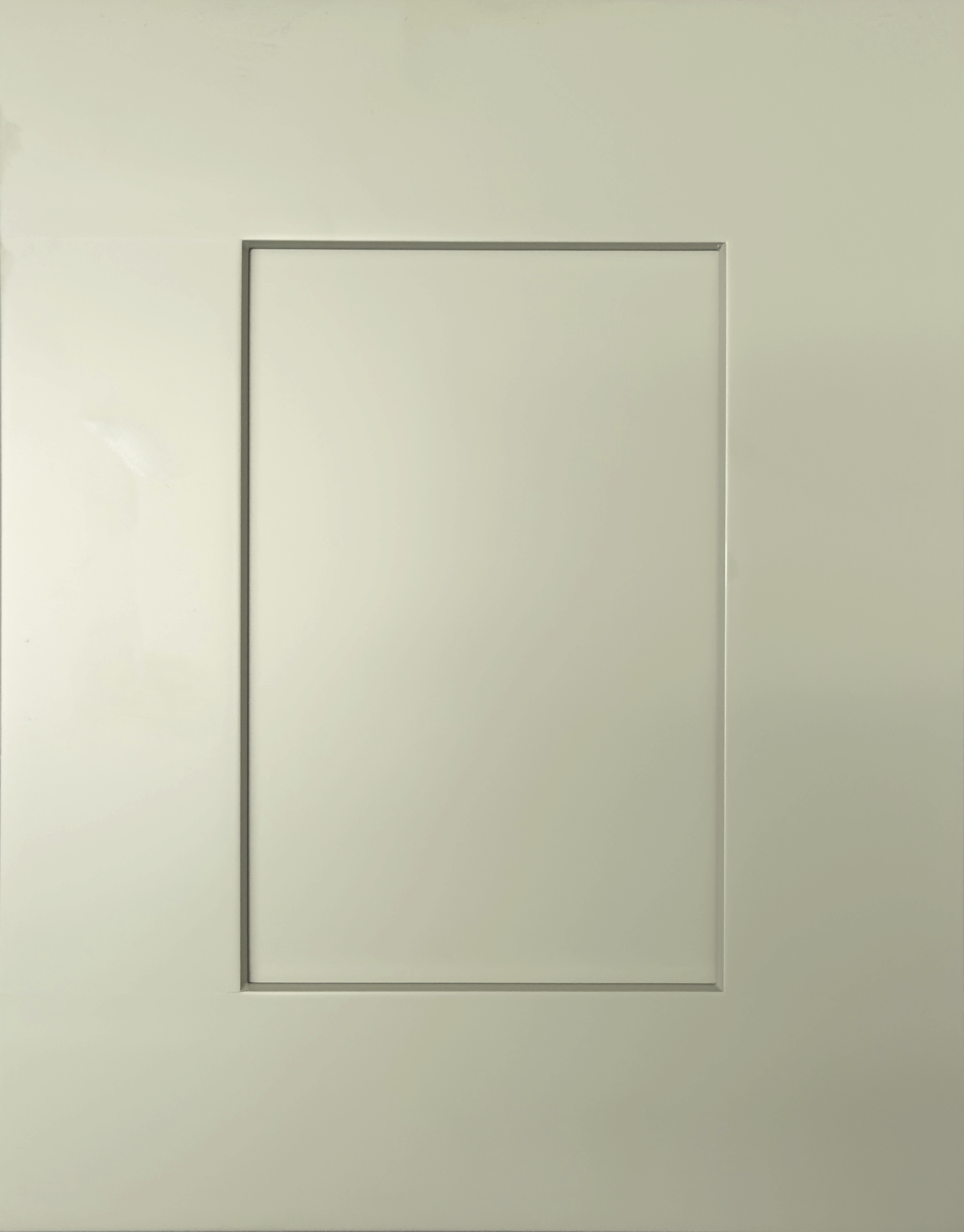
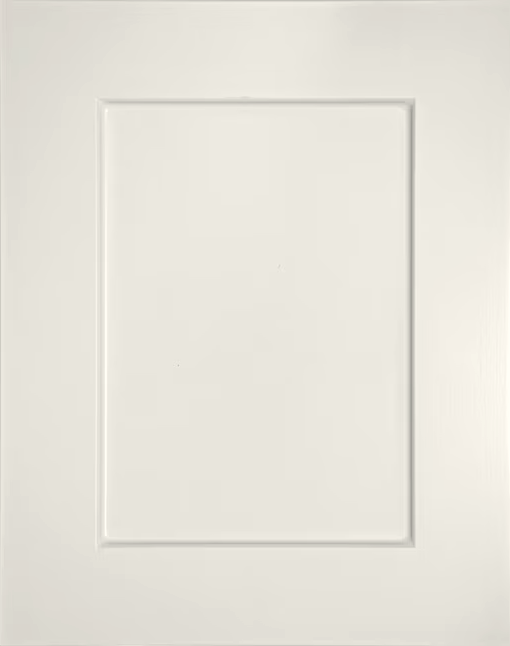
The Shaker door is plain and honest. It uses a five-piece frame with a recessed center panel and straight, square rails and stiles. That simplicity lets the material show through, so your choice of shaker cabinet materials shapes the final look more than ornate styles do.

Shaker design works in modern and traditional kitchens because it avoids fuss. A painted finish gives a smooth, refined surface. A stained finish highlights grain and texture. When you compare types of kitchen cabinets, remember that flat panels and clean lines reveal differences in grain, pore size, and paint adhesion.
Material matters for how long cabinets last and how they age. Hardwoods like maple and oak resist dents and wear, so hardwood kitchen doors can be refinished and repaired. Engineered cores such as MDF resist seasonal movement under paint, lowering the chance of cracking or warping.
Cost and maintenance follow material choice. Solid hardwood doors usually cost more but take refinishing well. Veneers and MDF cost less and can look like real wood, but their repair paths differ. Ask about edge-banding and core type when you shop to avoid surprises later.
Here are a few terms you’ll hear when comparing builds:
When you evaluate suppliers, ask whether cabinets are face frame or frameless, what core materials they use, and how edges are finished. A clear list of construction details helps you weigh durability, appearance, and price across the main types of kitchen cabinets.
Choosing the right wood shapes how your kitchen’s look and how the cabinets hold up over time. You want clear information on durability, finish, and how each species behaves in real homes. Below are practical notes to help you match style, budget, and climate when comparing types of kitchen cabinets.

Maple stands out for a tight, uniform grain and a smooth face that takes paint or clear finishes evenly. Maple shaker kitchen cabinets resist denting better than many softer woods. They work well for painted Aspen white looks and light-stain finishes when you want a clean, modern surface that reads flat and calm under kitchen lighting.
Oak shows a pronounced open grain and strong texture that becomes a feature in rustic or farmhouse kitchens. Oak accepts stain but can darken unevenly without a conditioner or grain filler. Choose oak if you want grain to be a visible design element rather than hiding it under thick paint.
Cherry has a fine grain and warm tones that deepen with exposure to light. Cherry stains beautifully and gives a classic, rich look. Keep in mind cherry will age and darken, so test samples over time to make sure you like the long-term color shift.
When you compare hardwood kitchen doors to engineered options, weigh pros and cons on stability and refinishing. Solid hardwood doors let you refinish down the road and feel authentic. They can swell or shrink with humidity changes more than engineered pieces.
Engineered alternatives, like MDF cores, plywood boxes, and veneered faces, give stable, consistent paint surfaces and cost savings. These options cut movement in humid climates and keep finishes looking uniform. You lose some ability to sand and refinish deeply on veneered or painted engineered doors.
Decide based on budget, finish choice, and your climate. If you plan to refinish decades later, hardwood kitchen doors make sense. If you want a flawless painted look that stays steady, pick engineered construction. When getting quotes, ask for sample doors or swatches of maple, oak, and cherry and view them in your kitchen light to compare how each species handles stains and paints.
To help narrow choices among types of kitchen cabinets, consider a short checklist: desired finish (paint or stain), tolerance for visible grain, long-term refinishing plans, and local humidity. This makes it easier to choose the right wood or engineered mix for your project.
Choosing the right mix of engineered materials and veneers helps you balance budget, performance, and appearance. This section walks through MDF, plywood cabinet boxes, and real wood veneer so you can compare durability, finish quality, and long-term value when shopping for shaker cabinet materials.

MDF provides an ultra-smooth surface that takes paint evenly. For painted shaker doors, especially crisp tones like aspen white, MDF hides grain and produces a clean, uniform look.
MDF is cost-effective and stable. It resists warping, which helps painted doors keep tight seams and sharp lines. Note that MDF is heavier than plywood and can swell if it gets wet, so edge treatment or edge-banding matters for longevity.
Plywood cabinet boxes offer superior strength and screw-holding power. Multi-ply panels, such as Baltic birch or furniture-grade cabinet-grade plywood, perform well in kitchens with seasonal humidity changes.
Quality plywood resists delamination and pairs well with solid or veneered doors. Many reputable U.S. manufacturers use plywood in higher-end cabinets for a balance of stability and value when you browse cabinets for sell listings.
Real wood veneer gives the look of solid wood without the movement and expense. Thin slices of oak, cherry, or maple are bonded to a stable core like plywood or MDF, creating attractive doors and drawer fronts.
Good veneer work avoids mismatched seams and maintains consistent grain patterns. When you evaluate cabinets for sell, check whether doors are MDF with veneer, solid wood, or plywood-faced. That detail affects price and durability.
Weigh the trade-offs based on your priorities: painted finish clarity, box strength, or authentic wood appearance. Combining MDF doors, plywood cabinet boxes, and a quality real wood veneer can deliver a high-end look at a sensible cost while keeping performance steady over time.
Choosing the right finish makes your kitchen feel settled and intentional. Start with the look you want, then match materials and protection. Pay attention to how light hits surfaces, and test samples on actual doors in your kitchen before committing.

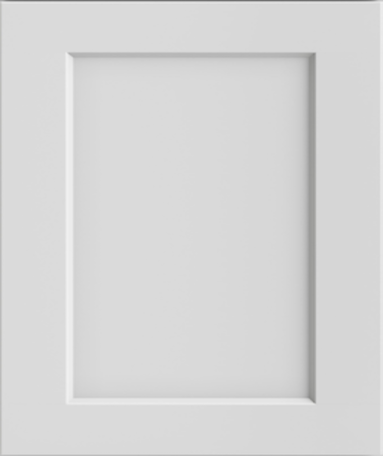
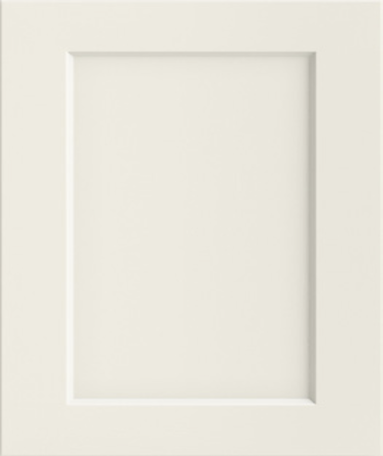
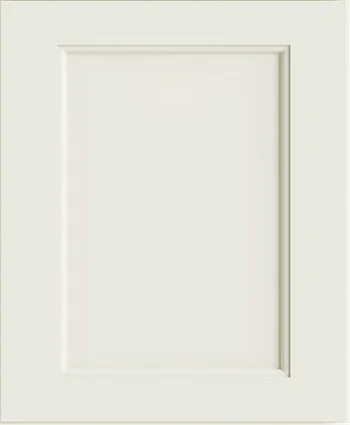
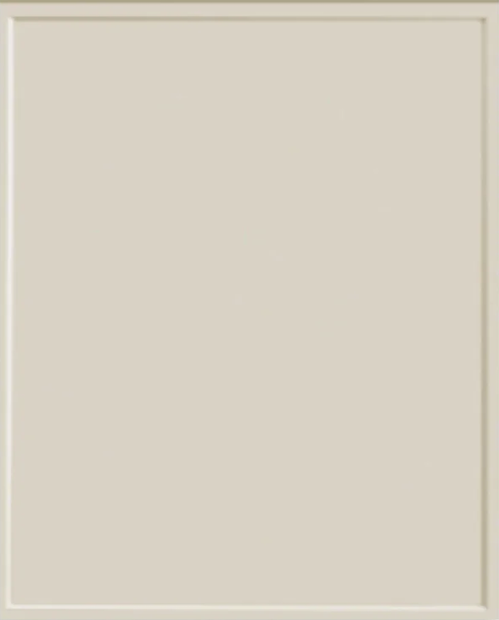
Aspen white cabinets offer a warm, soft white that fits Shaker lines without feeling clinical. This tone works well with hardwood floors and marble or quartz counters. When you pick paint, compare latex enamel and acrylic enamel for ease of application and cleanup.
For longer life, look at waterborne catalyzed finishes, often called conversion varnish. Pros use them for extreme durability, though they cost more and may need a shop application. Always view samples in morning and evening light to check warm or cool undertones.
Staining reacts to wood species. Maple often needs a conditioner to avoid blotching. Oak highlights grain, which can be an asset for a rustic or traditional Shaker look. Test stain on the same species you plan to use.
Topcoats protect against spills and scrubbing. Water-based polyurethanes yellow less over time and keep cool whites truer. Oil-based topcoats add warmth and toughness. Conversion varnish gives professional-level wear for busy kitchens.
Satin or semi-gloss sheens balance cleanability with a soft look. For heavy use, pick a durable finish and keep a touch-up kit on hand because painted surfaces show chips differently than stained wood.
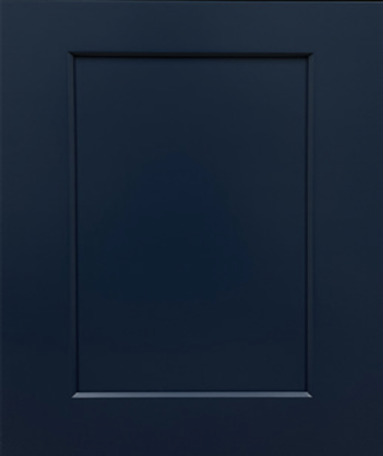
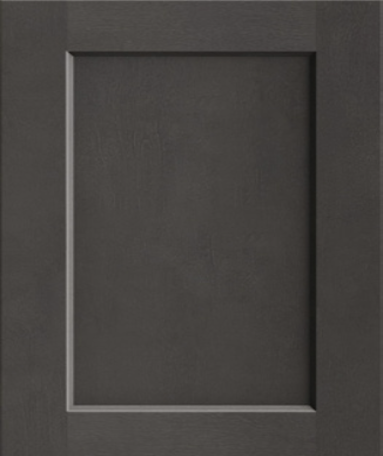
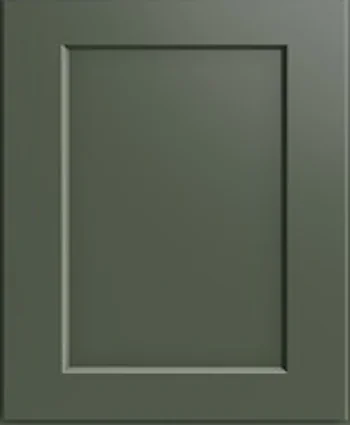
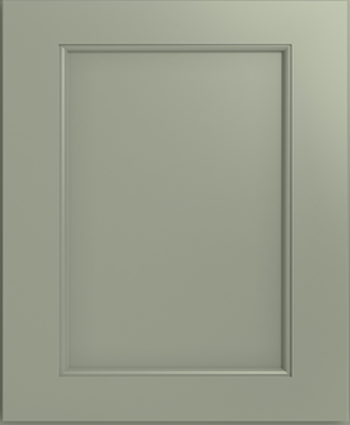
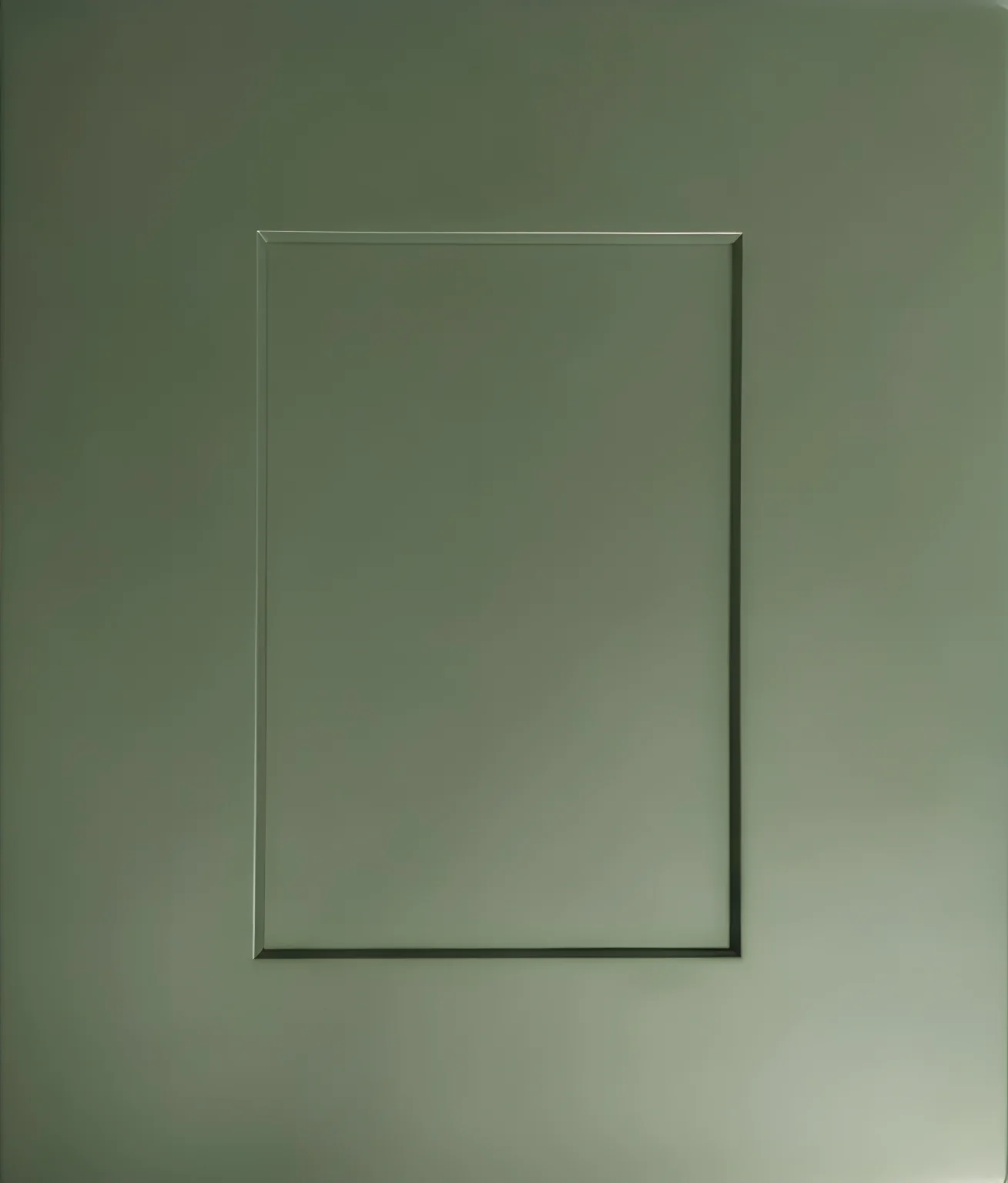
Two-tone kitchens remain popular: white upper cabinets with a darker island create depth while staying classic. Muted greens, navy, and warm grays pair nicely with Shaker restraint. These hues work with both solid wood and engineered shaker cabinet materials.
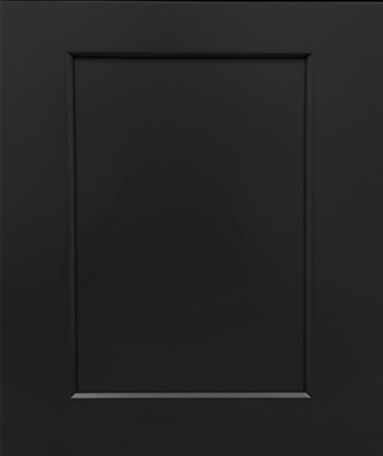
Hardware trends favor simple shapes and finishes that echo your plumbing and lighting. Matte black, oil-rubbed bronze, and brushed nickel are common choices. Cup pulls and slim bar pulls suit Shaker doors because they respect the clean lines without overpowering them.
Match hardware finish to your faucet and light fixtures for a cohesive look. Consider scale: small cabinet doors need smaller pulls. If you want subtle cohesion, choose finishes that repeat in two or three places across the room.
Choosing the right shaker cabinet materials comes down to how you use the kitchen and the look you want. For long-term durability and the option to refinish, maple shaker kitchen cabinets and other hardwoods like oak or cherry are top picks. If you want a smooth, painted surface and a lower price, MDF or veneered doors perform well. For strong cabinet boxes, cabinet-grade plywood is the reliable choice.
Use this quick decision checklist as you shop. Want painted, ultra-smooth doors? Lean MDF with a high-quality paint finish. Want visible grain and refinishability? Opt for real wood doors such as maple. Need sturdy boxes? Choose plywood. If kitchen cabinets made USA matters to you, verify the manufacturer’s location and ask for details about door cores, box construction, and veneer sources before you buy.
Weigh cost, appearance, durability, and maintenance against your household needs. View samples in your home lighting, get at least two quotes that specify materials, and ask suppliers about warranty and repair options. Those steps will help you select shaker cabinet materials that fit both your style and long-term value.